Introduction
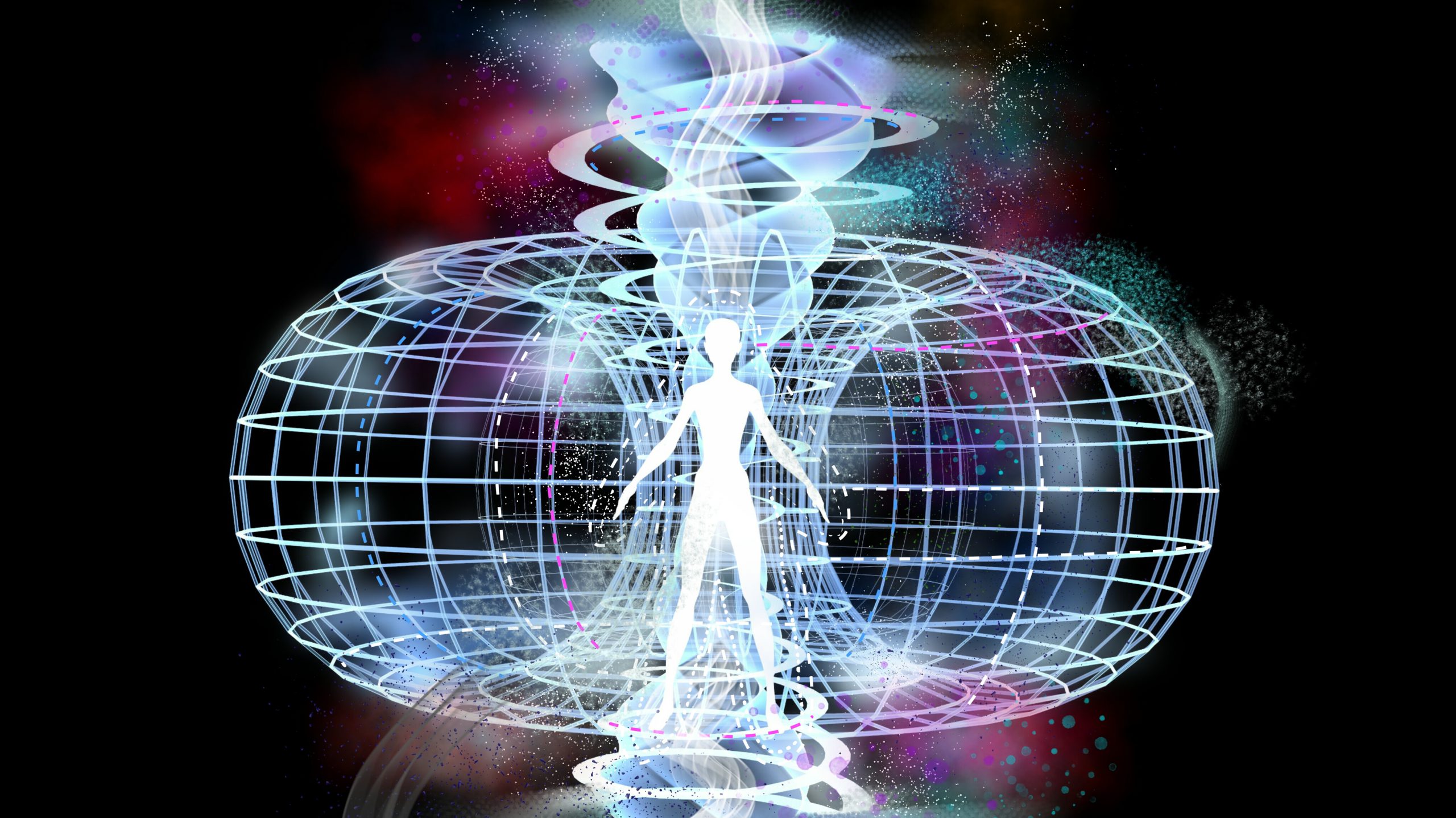
The Earth’s magnetic field, a constant presence in our environment, has a subtle yet profound impact on human health. Operating at extremely low frequencies (around 7.83 Hz, known as the Schumann resonance) and low intensities (30-60 microTesla), it is generated by electric currents in the Earth’s conductive iron-rich core. This magnetic field serves as a protective shield, deflecting solar wind—charged particles from the sun— that coud devastate life on Earth (Figure 1). Beyond its protective role, It also helps regulate circadian rhythms and supports cellular function. Our cells exist within this dynamic electromagnetic environment, and by harnessing its properties, we can actively enhance cellular health, physiological balance, and overall well-being.

Figure 1. How Earth’s magnetic field interacts with the solar wind.
The Cellular Orchestra: How PEMF Works
PEMF Therapy builds on the natural influence of the Earth’s magnetic field by delivering targeted, higher-intensity electromagnetic pulses at specific frequencies. While the Earth’s magnetic field provides a foundation for cellular health, PEMF Therapy amplifies these effects, offering more potent stimulation to cellular processes. PEMF devices can generate fields up to 1–2 tesla in intensity and operate at frequencies ranging from 1 Hz to several thousand Hz, allowing precise targeting of various physiological functions.
This enhanced electromagnetic stimulation can significantly boost cellular energy production, reduce inflammation, and accelerate tissue repair. By mimicking and intensifying the beneficial aspects of the Earth’s magnetic field, PEMF Therapy optimizes cellular function and promotes healing beyond what our natural electromagnetic environment provides.
Pulsed Electromagnetic Field (PEMF) therapy has emerged as a promising supportive treatment for cancer patients, offering a non-invasive, drug-free approach to managing symptoms and enhancing the effectiveness of both integrative and conventional cancer therapies. This article explores how PEMF Therapy works, its mechanisms of action, and the diverse benefits it provides in the context of integrative cancer therapy.
Understanding PEMF Therapy
Every cell functions as a microscopic battery, maintaining a resting membrane potential (RMP) typically between -70 and -90 mV. When cells are damaged or diseased, this potential gets disrupted, leading to a loss of electrical charge. Such disruptions impair the essential cellular functions, including energy production, waste elimination, tissue regeneration, inflammation reduction, and inter-cellular communication (1-8).
Research indicates that cancer cells have a significantly lower RMP than their healthy counterparts. PEMF devices deliver precisely timed electromagnetic pulses that penetrate tissues, restoring RMP to healthy levels and normalizing cellular function (1).
The Mechanisms of PEMF in Cancer Treatment
Cellular Energy Restoration
Cancer often depletes cellular energy due to mitochondrial dysfunction and altered metabolic pathways (9). This energy deficit contributes to the fatigue and weakness commonly experienced by cancer patients (10). PEMF Therapy has been shown to enhance ATP production, potentially supporting cellular repair and overall function.
Enhanced Blood Flow and Oxygenation
PEMF Therapy may stimulate nitric oxide (NO) production, promoting vasodilation (widening of blood vessels) and improving circulation (11). For cancer patients, increased oxygen supply to tissues is particularly beneficial, as it may help slow tumor progression and enhance the effectiveness of other cancer treatments.
Anti-Inflammatory Effects
Inflammation is a well-documented driver of cancer progression and a common side effect of toxic treatments. PEMF Therapy offers a promising approach to reducing inflammation by suppressing inflammatory cytokines and inhibiting COX-2 activity—similar to anti-inflammatory medications (e.g. NSAIDS) but without the gastrointestinal side effects (4, 12). This makes PEMF Therapy particularly beneficial for managing chemotherapy-induced inflammation, providing a non-invasive alternative to traditional anti-inflammatory drugs. Also see section on pain management below.
Direct Anticancer Effects
Emerging research suggests that PEMF Therapy may directly impact cancer cell viability. Preclinical models indicate that PEMF can induce apoptosis (programmed cell death) in cancer cells and inhibit angiogenesis, starving tumors of nutrients by restricting new blood vessel formation (7, 13, 14).
Laboratory studies have shown that PEMF Therapy may help fight cancer and prevent tumor growth in several ways:
- Disrupting Cancer Cell Division: It can interfere with the cellular components that cancer cells need to divide, causing them to die during the process (7, 13).
- Altering Gene Activity: It can change how genes work and how cells make proteins (6).
- Blocking Blood Vessel Formation: It can stop tumors from growing new blood vessels, which limits their nutrient supply and slows their growth (7).
Animal studies have shown that PEMF Therapy can slow tumor growth compared to untreated groups. This therapy appears to alter cancer cell behavior by affecting their membranes and disrupting cell division processes. It also influences the movement of substances in and out of cells, reduces cellular stress, enhances DNA activity, and boosts immune function (7).
However, clinical research has not yet kept pace with the promising findings from preclinical studies. As of 2025, only two clinical studies have investigated PEMF Therapy for cancer treatment in humans. These studies suggest that PEMF Therapy is safe and holds potential as a complementary approach to conventional cancer treatments. Additionally, our extensive clinical experience further highlights its safety and effectiveness in supporting cancer care.
Supportive Benefits for Cancer Patients
From an oncological research perspective, PEMF is only recently coming into focus as a viable treatment option, with much research needed to unlock its full potential. However, beyond its potential anticancer effects, PEMF Therapy has an established track record of providing substantial relief from various side effects and complications associated with cancer and the side effects of mainstream treatments. Additionally, PEMF is also highly useful in the supportive treatment of many other chronic diseases and conditions. These various benefits of PEMF Therapy have been championed by integrative physicians around the world, including at Hope4Cancer, where we extensively use this therapy with most of our cancer patients.
Pain Management
Cancer-related pain, particularly in advanced stages, can be debilitating. Studies have found that a significant percentage of stage 4 cancer patients experienced pain reduction after high-intensity PEMF Therapy (15). By modulating pain signaling pathways and reducing inflammation, PEMF Therapy serves as a non-pharmacological alternative for pain relief. Chronic inflammation often contributes to cancer-related pain, which is frequently managed by opioids. However, opioid use carries risks such as dependency, tolerance, and significant side effects. By addressing inflammation at the cellular level, PEMF Therapy may help reduce pain and potentially lower the need for opioid-based pain management in cancer patients.
Lymphedema Reduction
Lymphedema, a common complication that occurs post-mastectomy or following radiation therapy, can be effectively managed with PEMF Therapy. Research indicates that combining PEMF Therapy with compression therapy led to significant improvements in lymphedema in post-mastectomy patients (16).
Neuropathy and Nerve Regeneration
Chemotherapy-induced neuropathy, characterized by numbness and tingling in the extremities, can significantly impact quality of life. PEMF Therapy enhances nerve repair by stimulating neurogenesis and restoring electrical conductivity in damaged neurons while reducing symptoms (17). Increasing the resting membrane potential of neurons can effectively raise the threshold at which pain signals are transmitted to the brain, significantly improving pain tolerance.
Immune System Support
Cancer treatments often compromise immune function. PEMF Therapy has been shown to modulate T-lymphocyte activity, potentially improving immune response and aiding in recovery from treatments that deplete the immune system (7).
Improved Sleep and Mental Wellbeing
Cancer patients frequently experience sleep disturbances, anxiety, and depression. By influencing brainwave activity and reducing cortisol levels, PEMF Therapy promotes relaxation and improves sleep quality, contributing to overall mental and emotional well-being (17).
Conclusion
PEMF Therapy stands as a transformative adjunct in cancer care, offering benefits ranging from direct anticancer effects to symptomatic relief and improved quality of life. Its ability to enhance cellular resilience, support cancer treatments, and improve patient wellbeing makes it an invaluable tool in the integrative oncology toolkit. Unlike thermal therapies, PEMF Therapy operates at frequencies that avoid tissue heating, its biphasic pulses induce currents similar to bioelectric signals. This makes PEMF Therapy a truly non-invasive form of energy medicine. As research continues to evolve, PEMF Therapy may soon become a mainstream component of cancer management protocols.
References:
- Yang M, Brackenbury WJ. Membrane potential and cancer progression. Front Physiol. 2013 Jul 17;4:185.
- Peng L, Fu C, Wang L, et al. The Effect of Pulsed Electromagnetic Fields on Angiogenesis. Bioelectromagnetics. 2021;42(3):250-258.
- An G, Shen M, Guo J, et al. Effects of pulsed electromagnetic fields on tumor cell viability: a meta-analysis of in vitro randomized controlled experiments. Electromagn Biol Med. 2021;40(4):467-474.
- Mansourian M, Shanei A. Evaluation of Pulsed Electromagnetic Field Effects: A Systematic Review and Meta-Analysis on Highlights of Two Decades of Research In Vitro Studies. Biomed Res Int. 2021;2021:6647497.
- Wong ET, Lok E, Swanson KD. An Evidence-Based Review of Alternating Electric Fields Therapy for Malignant Gliomas. Curr Treat Options Oncol. 2015 Aug;16(8):40.
- Destefanis M, Viano M, Leo C, et al. Extremely low frequency electromagnetic fields affect proliferation and mitochondrial activity of human cancer cell lines. Int J Radiat Biol. 2015;91(12):964-72.
- Vadalà M, Morales-Medina JC, Vallelunga A, et al. Mechanisms and therapeutic effectiveness of pulsed electromagnetic field therapy in oncology. Cancer Med. 2016;5(11):3128-3139.
- Pulsed Electromagnetic Field Therapy. Website: CancerDoctor.com, Accessed Feb 19, 2025.
- Seyfried TN, Shelton LM. Cancer as a metabolic disease. Nutr Metab (Lond) 7, 7 (2010).
- Nicolson, GL, Conklin KA. Molecular Replacement for Cancer Metabolic and Mitochondrial Dysfunction, Fatigue and the Adverse Effects of Cancer Therapy. Cancer Genomics & Proteomics,3, 159–168.
- Al Bazzal A, Hoteit BH, Chokor M, et al. Potential therapeutic applications of medical gases in cancer treatment. Med Gas Res. 2025;15(2), 309–317.
- Scicinski J, Oronsky B, Ning S, et al. NO to cancer: The complex and multifaceted role of nitric oxide and the epigenetic nitric oxide donor, RRx-001. Redox Biology. 2015;6:1-8.
- Helmy J. An integrative review of pulsed electromagnetic field therapy (PEMF) and wound healing. Wound Practice and Res. 2024;32(2):58-65.
- Chen MY, Li J, Zhang N, et al. In Vitro and in Vivo Study of the Effect of Osteogenic Pulsed Electromagnetic Fields on Breast and Lung Cancer Cells. Technol Cancer Res T. 2022;21:15330338221124658.
- Synergy Wellness. Exploring High-Intensity PEMF Therapy: A Potential Adjunctive Approach in Cancer Treatment. Web site: Synergy Wellness, Accessed Feb 19, 2025.
- Dr. Sean Ceaser. What is Pulsed Electromagnetic Field (PEMF) Therapy? Accessed Feb 19, 2025.
- Pawluk, W. Pulsed Magnetic Field Treatment of Anxiety, Panic and Post-Traumatic Stress Disorders. HSOA J Alt Complement Integr Med. 2019;5:075.
Authors