Integrative Non-Hodgkin Lymphoma Treatment at Hope4Cancer

View Patient Testimonials

View
Patient
Testimonials

Dr. Tony Jimenez speaking with a smiling patient at Hope4Cancer
An aerial view of ocean waves on the beach

Non-Hodgkin lymphoma (NHL) is not a single disease. It is a group of more than 60 different cancers that develop in the lymphatic system, the network of tissues and vessels that forms a central part of the immune system. Most cases arise from B cells, T cells, or natural killer (NK) cells. This variety means NHL ranges widely in behavior: some forms, called indolent lymphomas, grow slowly and may not need immediate treatment, while aggressive types like diffuse large B-cell lymphoma (DLBCL) can become life-threatening within weeks of diagnosis. Because lymphoma originates within the immune system itself, it is at its core a disease of immune dysfunction.

Conventional treatment depends heavily on the specific subtype. Aggressive B-cell lymphomas like DLBCL are typically treated with R-CHOP immunochemotherapy. Indolent lymphomas such as follicular lymphoma may be monitored with watchful waiting if symptoms are mild, or treated with anti-CD20 immunotherapy (rituximab) with or without chemotherapy. Other subtypes, including mantle cell lymphoma, Burkitt lymphoma, and peripheral T-cell lymphomas, each follow their own treatment protocols based on their biology. When lymphoma returns or stops responding, options include salvage chemotherapy, targeted agents, CAR-T cell therapy, or stem cell transplantation.

The challenge with conventional treatment is that chemotherapy causes significant immunosuppression, weakening the very system that lymphoma originates from and that the body needs to fight it. Standard treatment also does not address the immune dysregulation, chronic inflammation, microbiome disruption, or emotional toll that accompany this diagnosis. Hope4Cancer Treatment Centers approach non-Hodgkin lymphoma through the 7 Key Principles of Cancer Therapy®, a whole-person framework designed to work with the immune system rather than against it, combining direct tumor targeting with immune restoration and systemic healing.

Patients with non-Hodgkin lymphoma across all subtypes and stages are welcomed at Hope4Cancer, whether they are pursuing integrative care alongside conventional treatment or independently of it. Every program is guided by board-certified integrative physicians and tailored to the individual, their lymphoma subtype, grade, stage, prior treatment history, and overall health.

The symptoms of non-Hodgkin lymphoma vary depending on the subtype, where in the body the disease is located, and how much disease is present. The most common sign is painless enlargement of lymph nodes, most often in the neck, armpits, or groin. Constitutional B symptoms, which include unexplained fever, drenching night sweats, and unintentional weight loss of more than 10% of body weight over six months, point to more advanced systemic disease and are important for staging. Fatigue, sometimes severe, is common across all subtypes. When lymphoma affects the gastrointestinal tract, it can cause abdominal pain, bloating, or changes in bowel habits. Primary CNS lymphoma may present with neurological symptoms such as headache, vision changes, or focal neurological deficits.

Non Hodgkin Lymphom Image Non White

Diagnosis requires tissue confirmation, most often through lymph node excision biopsy, which provides the most complete sample for histopathological analysis, immunophenotyping, and molecular studies. Core needle biopsy is used when excision is not practical. Bone marrow biopsy is standard in staging for most NHL subtypes to check for marrow involvement. PET-CT is the primary staging tool for most aggressive lymphomas, giving an accurate picture of disease extent and metabolic activity. CT of the chest, abdomen, and pelvis is used for both initial staging and follow-up. Molecular studies including BCL-2 and BCL-6 rearrangements, MYC status, and cell of origin profiling provide important prognostic information and help guide treatment decisions.

Non-Hodgkin Lymphoma Treatment Program at Hope4Cancer

Hope4Cancer's integrative non-Hodgkin lymphoma treatment program is organized around three clinical pillars: targeted therapies, core therapies, and diagnostics and ongoing assessment. Every program is individually designed based on each patient's lymphoma subtype, grade, stage, treatment history, and overall health. The program is designed to work with the immune system, addressing the immune dysregulation that underlies lymphoma while directly targeting malignant lymphocytes.

01

Targeted Therapies for Non-Hodgkin Lymphoma

The targeted therapies at Hope4Cancer are selected for their ability to address lymphoma cells and the immune microenvironment with precision, with particular attention to immune system restoration, which has special significance in a cancer that arises from within the immune system itself. Sono-Photo Dynamic Therapy (SPDT) uses a sensitizing agent that accumulates preferentially in cancer cells and is activated by sound and light energy to produce a cytotoxic effect. PDT Plus extends this approach with intravenous delivery for systemic reach, addressing the distributed disease pattern common in lymphoma. The SuniveraTM and DaVidaTM Bio-Immunotherapy protocols are of particular relevance in non-Hodgkin lymphoma, supporting immune restoration, T-cell function, and natural killer cell activity, addressing the immune regulatory dysfunction that underlies malignant lymphocyte proliferation. The following therapies represent a selection of the targeted approaches available at Hope4Cancer. Working collaboratively with each patient, the care team selects and refines a personalized lymphoma treatment plan that best fits their individual condition and goals.

Learn more about Targeted Therapies →
02

Core Therapies

Core therapies address the full scope of the 7 Key Principles of Cancer Therapy®, with clinical emphasis adapted to the distinctive immune biology of lymphoma. Immune restoration is the central priority, addressing the dysregulation and immune tolerance mechanisms that allow malignant lymphocytes to proliferate unchecked. Microbiome restoration, detoxification, and oxygenation address the systemic environment, while full-spectrum nutritional support addresses the metabolic demands of both the disease and recovery. The BESTTM program attends to the emotional and spiritual dimensions of care. →

03

Diagnostics and Ongoing Assessment

Ongoing assessment is built into the program from day one. Baseline diagnostics establish a complete picture of each patient's disease extent, immune function, organ health, and overall status before treatment begins. As the program progresses, monitoring continues through repeat imaging, LDH and other serum markers, and immune function panels, allowing the care team to evaluate treatment response and make real-time adjustments. The SPROUTTM system tracks patient-reported symptom and quality of life outcomes throughout the program.

Learn more about Diagnostics and Ongoing Assessment →

Non-Hodgkin Lymphoma Treatment by Stage

Hope4Cancer treats non-Hodgkin lymphoma patients across all stages of disease. The integrative framework remains consistent, but clinical emphasis and therapy selection are adjusted to reflect each patient's disease subtype, burden, and treatment history.

Stages 1 - 2

Early-Stage Non-Hodgkin Lymphoma

Early-stage non-Hodgkin lymphoma, where disease is limited to one or two adjacent lymph node regions, encompasses patients at very different points in their treatment journey. For patients who are pursuing Hope4Cancer's integrative program as their primary approach, treatment focuses on direct tumor targeting through non-toxic modalities, immune restoration, and addressing the systemic conditions that allowed the lymphoma to develop. For patients who have completed or are undergoing conventional treatment, the integrative program supports immune restoration, post-treatment recovery, and the reduction of recurrence risk. For patients with indolent lymphoma in the watchful-waiting period, the program offers a structured approach to immune support and systemic health optimization while disease is being monitored.

Stages 3

Advanced Non-Hodgkin Lymphoma

Stage 3 and stage 4 lymphoma treatment addresses widespread lymph node involvement or extranodal disease, and calls for a treatment approach that addresses both the cancer and the systemic demands it places on the body. For patients choosing integrative care as their primary path, the program focuses on direct tumor targeting through non-toxic modalities, immune restoration, and the systemic conditions that allow lymphoma to persist and progress. For patients undergoing aggressive multi-agent immunochemotherapy, the integrative program provides immune support, gut microbiome restoration, and management of treatment-related toxicity to help maintain quality of life throughout conventional treatment. For patients managing advanced indolent lymphoma over a longer, chronic disease course, the program offers structured immune support and systemic health management aimed at sustaining the body's own defenses over time.

Stages 4

Relapsed and Refractory Non-Hodgkin Lymphoma

Relapsed or refractory non-Hodgkin lymphoma, where disease returns after treatment or fails to respond, presents a more challenging clinical picture. Many patients have received multiple lines of chemotherapy and may have significantly compromised immune function, organ health, and physical reserves. Hope4Cancer's integrative program for relapsed or refractory lymphoma is designed for patients at this stage of their journey, providing immune restoration, non-toxic tumor targeting, detoxification, and comprehensive support for the physical and emotional challenges of persistent disease.

About Non-Hodgkin Lymphoma

Non-Hodgkin Lymphoma is not one disease. Its subtype, receptor status, and growth pattern shape both the biology of the disease and the most relevant integrative approaches to treatment.

B-cell lymphomas are the most common type of non-Hodgkin lymphoma, making up approximately 85% of all cases. They range from highly aggressive subtypes like Burkitt lymphoma and diffuse large B-cell lymphoma (DLBCL) to indolent forms like follicular lymphoma and marginal zone lymphoma. DLBCL is the most common NHL worldwide and is defined by distinct molecular subtypes that behave and respond to treatment differently. What drives malignant transformation in B-cell lymphomas is the dysregulation of key survival signaling pathways, including BCL-2 and NF-kB, along with immune checkpoint dysfunction that allows abnormal cells to escape the body's defenses. B-cell lymphoma treatment at Hope4Cancer — including aggressive lymphoma treatment for DLBCL and Burkitt subtypes — works to restore immune function and address the systemic conditions that allowed malignant B-cell transformation to occur and persist. For patients with aggressive subtypes, including those pursuing Hope4Cancer as their primary approach, the program focuses on direct tumor targeting through non-toxic modalities, immune restoration, and systemic support. For patients combining integrative and conventional care, the program supports recovery from chemotherapy, microbiome restoration, and immune rebuilding. For patients with indolent B-cell lymphomas, the program provides ongoing immune support, detoxification, and systemic health optimization within a framework designed for long-term management. Every protocol is built around each patient's specific subtype, treatment history, and current immune status.

T-cell and NK-cell lymphomas make up approximately 10-15% of all non-Hodgkin lymphoma. As a group, they tend to be more aggressive and have less favorable outcomes than B-cell lymphomas. Peripheral T-cell lymphomas (PTCL) include multiple subtypes, each with distinct clinical behavior and molecular characteristics. Cutaneous T-cell lymphomas, including mycosis fungoides, primarily affect the skin. NK-cell lymphomas, including extranodal NK/T-cell lymphoma, are strongly associated with Epstein-Barr virus (EBV) infection. Because these cancers arise from within the adaptive immune system itself, they produce a distinctive pattern of immune dysregulation that shapes both their behavior and their response to treatment. T-cell and NK-cell lymphoma treatment at Hope4Cancer is built around the unique immune biology of these diseases, with a strong emphasis on restoring healthy immune regulation alongside direct tumor targeting. For patients with NK-cell lymphomas linked to EBV, immune restoration protocols specifically support antiviral immune function. For patients with cutaneous T-cell lymphoma, the skin-based manifestations are addressed within a broader systemic treatment framework. Every protocol is designed around each patient's specific subtype, prior treatment history, and current immune function.

Indolent lymphomas, including follicular lymphoma, small lymphocytic lymphoma, and marginal zone lymphoma, are characterized by slow growth, long natural histories, and, for many patients, periods of stability that do not require immediate treatment. However, they are generally not curable with conventional treatment, and transformation to a more aggressive histology remains a long-term risk. The watchful waiting approach, which is often recommended, represents a period during which the underlying biological conditions that allow the lymphoma to persist, including immune tolerance and chronic inflammatory signaling, go unaddressed. Indolent lymphoma treatment at Hope4Cancer addresses the immune tolerance and systemic conditions that allow slow-growing lymphomas to persist and progress. For patients in the watchful-waiting period, the integrative program provides structured immune support, detoxification, anti-inflammatory therapy, and ongoing monitoring to actively manage the systemic environment. For patients who have received treatment and are in remission, the program addresses the residual immune dysfunction and ongoing risk of recurrence or transformation. Every protocol is designed around each patient's specific subtype, disease burden, and treatment history.

3-Week
Comprehensive clinical program
200+
Therapy sessions included
12-Month
Structured home program with regular check-ins
2
Follow-up visits to treatment center included in program cost

Patient Stories: Non-Hodgkin Lymphoma Journeys

Hope4Cancer is grateful to the patients who have chosen to share their journeys, each arriving with a different diagnosis, each finding a new path forward through integrative non-Hodgkin lymphoma care. For those just beginning, their stories offer something rare: the light of someone who has walked this road before. Their stories are their own, and each is best told in their own words.

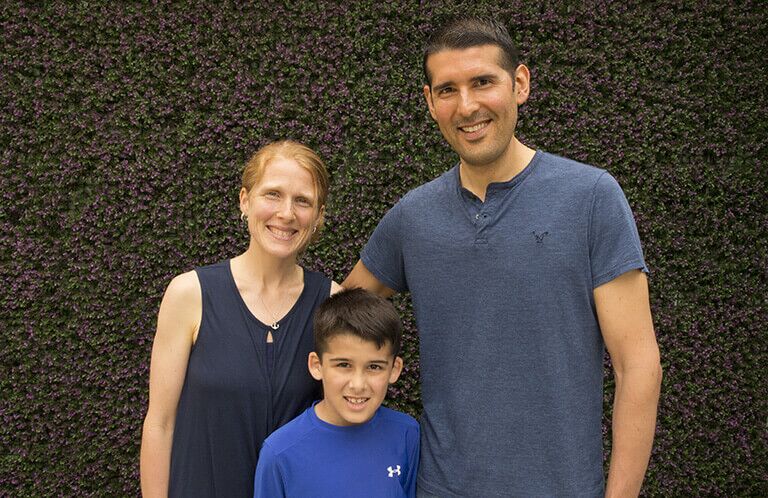
Lisa’s Non Hodgkin’s Lymphoma Patient Journey

Request a Free Non-Hodgkin Lymphoma Treatment Plan

Take the first step toward integrative cancer care tailored to you. Contact Hope4Cancer to schedule a free consultation with an admissions counselor and receive a personalized non-Hodgkin lymphoma treatment plan built around your diagnosis, stage, and health goals.

Frequently Asked Questions

Hope4Cancer's non-Hodgkin lymphoma treatment options are organized around three clinical pillars: personalized targeted therapies, core therapies, and diagnostics and ongoing assessment. Targeted therapies include SPDT, PDT Plus, and the SuniveraTM and DaVidaTM Bio-Immunotherapy protocols, with particular relevance to the immune system origin of lymphoma. Core therapies address the 7 Key Principles of Cancer Therapy®, with immune restoration as the central clinical emphasis. For patients seeking holistic lymphoma treatment or natural lymphoma treatment approaches, Hope4Cancer's program offers a non-toxic, whole-person framework supervised by board-certified integrative physicians.
All non-Hodgkin lymphoma treatment at Hope4Cancer is grounded in the 7 Key Principles of Cancer Therapy®. What changes is the clinical emphasis. Aggressive B-cell lymphomas receive protocols designed to support intensive treatment and address post-chemotherapy immune restoration. Indolent lymphomas receive protocols focused on sustained immune optimization, systemic detoxification, and long-term disease control support. T-cell and NK-cell lymphomas receive protocols that address their distinctive immune origins, including viral infections where relevant. Every protocol is designed around each patient's specific subtype, molecular profile, and treatment history.
Hope4Cancer offers a comprehensive integrative program for Non-Hodgkin Lymphoma patients that includes non-toxic tumor-targeting therapies, immune restoration, and whole-person support, regardless of whether a patient is pursuing conventional chemotherapy or not. The decision to pursue chemotherapy or other conventional treatments is deeply personal and rests entirely with each patient in consultation with their medical team. What Hope4Cancer provides remains consistent: a medically supervised, individualized program guided by board-certified integrative physicians. Each patient's program is individually calibrated by Hope4Cancer's physicians to ensure the integrative therapies work in synergy with any conventional treatments being received, accounting for the patient's clinical status, treatment history, and overall health goals.
Relapsed or refractory non-Hodgkin lymphoma, including metastatic lymphoma treatment contexts where disease has spread to extranodal sites, often comes with significant immune exhaustion and systemic compromise from multiple rounds of prior therapy. Hope4Cancer's integrative program for these patients focuses on integrative treatments that include immune restoration, nutritional rehabilitation, detoxification from prior chemotherapy, and direct non-toxic tumor targeting. The program is designed for patients who have exhausted conventional options and for those who want integrative support alongside further conventional treatment. Every protocol is adapted to each patient's specific relapse pattern, treatment history, and current health.
Because non-Hodgkin lymphoma arises from within the immune system, restoring healthy immune function is both a direct anti-cancer strategy and a fundamental health priority. The SuniveraTM and DaVidaTM Bio-Immunotherapy protocols specifically support macrophage and T-cell function, natural killer cell activity, and immune regulatory balance, addressing the dysregulations that allows malignant lymphocytes to proliferate. The broader 7 Key Principles framework addresses immune function through multiple interconnected pathways, including microbiome restoration, oxygenation, detoxification, and nutritional support.
The watchful-waiting period for indolent lymphoma represents an opportunity to actively address the systemic conditions that allow the lymphoma to persist. It should not be a “do-nothing” phase. Hope4Cancer's integrative program for patients in this phase focuses on immune optimization, detoxification, anti-inflammatory nutritional therapy, and microbiome restoration, building systemic resilience and potentially influencing the duration of disease stability. Regular monitoring and reassessment allow the care team to adapt the program to disease behavior over time.
Hope4Cancer's integrative program is designed to support patients who are pursuing conventional treatment alongside integrative care. For patients undergoing R-CHOP or other immunochemotherapy regimens, the program provides immune function support to help manage treatment-related immunosuppression, nutritional support, gut microbiome restoration, and emotional health management. All integrative protocols are reviewed in the context of each patient's conventional treatment plan to ensure compatibility and mutual support.
A non-Hodgkin lymphoma diagnosis, particularly in the context of relapsed or refractory disease, carries profound emotional weight. The uncertainty of a disease with highly variable behavior, the impact of treatment on daily function and identity, and the ongoing cycle of monitoring and potential recurrence create a psychological burden that conventional oncology rarely addresses directly. Hope4Cancer's BESTTM program addresses emotional health as a central component of the integrative approach, working with patients on the emotional dimensions of their diagnosis and the deeper stress patterns that influence immune function.
Treatment takes place at Hope4Cancer's facilities in Tijuana and Cancun, Mexico. The Tijuana facility operates as a fully residential treatment center, providing around-the-clock care for patients staying on-site. The Cancun facility operates on an outpatient basis. Both are experienced integrative cancer treatment centers serving patients from across North America and internationally. New patients begin with a free consultation with an admissions counselor, during which their diagnosis, treatment history, and health goals are reviewed and a personalized treatment plan is outlined.