Integrative Breast Cancer Treatment at Hope4Cancer

View Patient Testimonials

View
Patient
Testimonials

Dr. Tony Jimenez speaking with a smiling patient at Hope4Cancer
An aerial view of ocean waves on the beach

A breast cancer diagnosis raises many questions — not just about what to do next, but about why this happened in the first place. For many patients, conventional treatment focuses on the tumor itself, removing it, shrinking it, or slowing its growth, but does not address the broader conditions in the body that may have contributed to the cancer's development. Breast cancer is not a simple, uniform disease. It comes in different forms, behaves differently from person to person, and is shaped not only by what is happening inside the tumor, but by what is happening throughout the entire body. This page describes Hope4Cancer's integrative approach to breast cancer, what that approach involves, and how it expands its reach into areas of whole-person care inaccessible through conventional treatment.

For many breast cancer patients, the cancer is driven in part by hormonal factors, primarily estrogen, which can encourage certain types of breast cancer cells to grow. Conventional treatment responds with surgery to remove the tumor, chemotherapy to target rapidly dividing cells, radiation to destroy cancer cells in a specific area, and hormone therapy to reduce estrogen's influence. Each of these approaches targets the cancer from a specific angle but does not address why hormonal balance became disrupted in the first place, why the immune system did not detect the cancer earlier, or what role chronic inflammation, digestive health, and toxic exposure may have played. These are not secondary concerns. They are central to understanding why the cancer developed and what a complete approach to treatment must address.

Hope4Cancer's integrative approach to breast cancer treatment is built around a different question: what can be done not just for the tumor, but for all the conditions in the body that allowed it to develop? This approach is guided by the 7 Key Principles of Cancer Therapy®, an integrative treatment philosophy developed over more than two decades of caring for cancer patients that addresses the full scope of what the body needs: from immune strength and detoxification; nutrition to oxygenation; and a restored microbiome to emotional and spiritual wellbeing. For breast cancer patients, this means access to a program that works on the hormonal, immune, and metabolic dimensions of the disease alongside therapies that target the tumor directly.

Hope4Cancer works with breast cancer patients at every stage and in every situation, whether newly diagnosed, currently in conventional treatment, or looking for options after conventional treatment has concluded. Every program is designed by board-certified integrative physicians around each patient's specific diagnosis, needs, and goals. For those exploring alternative breast cancer treatment options, the sections below describe the full program, the therapies involved, and what patients across all stages can expect.

The most frequently recognized sign of breast cancer is a new lump or area of thickening in the breast or underarm region, though not all lumps are cancerous and not all breast cancers can be felt as a distinct mass. Other symptoms include changes in breast size or shape, nipple changes such as inward pulling or fluid leaking from the nipple without squeezing, dimpling or puckering of the skin, and changes in skin texture that may appear red, thickened, or pitted. Inflammatory breast cancer, a less common but aggressive form of the disease, often develops without a distinct lump and may instead cause the breast to appear swollen, warm, and red, more like an infection than a typical tumor. Because many early breast cancers produce no symptoms at all, regular screening is essential for catching the disease at the earliest and most treatable stage.

Breast Cancer

When concerns arise, the conventional diagnostic process typically involves imaging such as a mammogram or ultrasound, and in some cases an MRI. Many patients arriving at Hope4Cancer will have already been through some or all of these steps. Where tissue analysis has been performed, the results can provide valuable information about the cancer's characteristics, including whether it is driven by hormones such as estrogen or progesterone, or a growth-promoting protein called HER2, and how quickly the cells are multiplying. These findings, wherever available, help Hope4Cancer's physicians build a more complete picture of each patient's specific situation. Any imaging that has been done also helps establish whether the cancer has remained localized, whether lymph nodes are involved, and whether the cancer has spread to other parts of the body.

Hope4Cancer's Integrative Breast Cancer Treatment Program

Breast cancer treatment at Hope4Cancer is organized around three clinical pillars: personalized targeted therapies, foundational core therapies, and advanced diagnostics and assessment. Every protocol is individually designed to reflect each patient's tumor biology, hormonal status, treatment history, and overall health.

01

Targeted Therapies for Breast Cancer

Therapy selection for breast cancer is guided by each patient's specific subtype, hormone receptor status, HER2 profile, and prior treatment history. Sono-Photo Dynamic Therapy (SPDT) is one of Hope4Cancer's flagship therapies for solid tumors, with its ability to trigger both a localized cytotoxic response and a secondary immunological response addressing the tumor directly while engaging immune function simultaneously. The Sunivera™ and DaVida™ bio-immunotherapy protocols provide options for immune restoration, particularly relevant for patients whose immune function has been compromised by prior chemotherapy, radiation, or hormone therapy. PDT Plus is delivered both intravenously and interstitially, extending treatment systemically to include circulating tumor cells.

Learn more about Hope4Cancer's full range of targeted therapies →
02

Core Therapies

Every breast cancer program includes Hope4Cancer's full spectrum of core therapies, spanning non-toxic cancer therapies, immune modulation, systemic detoxification, oxygenation, full-spectrum nutrition, microbiome support, and emotional and spiritual healing through the BEST™ (Behavioral, Emotional, and Spiritual Transformation™) program. For breast cancer patients, microbiome restoration and detoxification from environmental hormonal burden carry particular relevance, given their direct relationship to the hormonal drivers of the disease. The gut microbiome plays a direct role in estrogen metabolism and recirculation, and dysbiosis can chronically elevate systemic estrogen levels. Reducing xenoestrogen and endocrine-disrupting compound burden through targeted detoxification protocols addresses a specific hormonal driver that surgery, chemotherapy, and hormone therapy do not reach.

Learn more about Hope4Cancer's core therapy program →
03

Diagnostics and Ongoing Assessment

Hope4Cancer's diagnostic platform provides a longitudinal view of each patient's health throughout the program, including breast tumor-specific biomarkers such as CA 15-3, CA 27.29, and CEA, immune function evaluation, functional nutritional and metabolic assessments, and patient-reported outcome tracking through the SPROUT™ system.

Learn more about Hope4Cancer's diagnostic approach →

Breast Cancer Treatment by Stage

Hope4Cancer treats patients across all stages of breast cancer, tailoring the selection and combination of therapies to each individual's situation.Breast cancer treatment at Hope4Cancer is organized around three clinical pillars: personalized targeted therapies, foundational core therapies, and advanced diagnostics and assessment. Every protocol is individually designed to reflect each patient's tumor biology, hormonal status, treatment history, and overall health.

Stages 1–2

Early-Stage Breast Cancer

For stage 1 and stage 2 breast cancer patients, integrative oncology offers a meaningful opportunity to address the disease proactively while supporting overall health and resilience. At these earlier stages the body's resources are generally stronger, making it an ideal window for non-toxic integrative therapies that may help support immune function, address the hormonal and metabolic conditions that contributed to the cancer's development, and promote quality of life throughout the treatment process.

Stages 3–4

Advanced and Metastatic Breast Cancer

Advanced and metastatic breast cancer presents a more complex picture, as the disease may have affected multiple systems and the body's resources may be further taxed, sometimes compounded by the effects of prior conventional treatments. Hope4Cancer's integrative approach at this stage addresses both the cancer and the broader biological environment that supports its progression, combining targeted non-toxic therapies with immune restoration, hormonal support, detoxification, and nutritional care while preserving the body's functional reserves and quality of life.

About Breast Cancer: Types and Biology

Breast cancer is not one disease. Its subtype, receptor status, and growth pattern shape both the biology of the disease and the most relevant integrative approaches to treatment.

Breast cancers that originate in the cells lining the milk ducts are collectively referred to as ductal carcinomas, and they account for the majority of all breast cancer diagnoses. Ductal carcinoma in situ (DCIS) is the non-invasive precursor, in which abnormal cells have developed within the milk ducts but have not yet broken through the duct wall into surrounding tissue. While DCIS is often described as a precancerous condition, it represents an early signal that the biological conditions for invasive cancer are present, and addressing those conditions through integrative care is a meaningful clinical priority.

When ductal cells do break through the duct wall and spread into surrounding breast tissue, and potentially the lymph nodes and beyond, the condition becomes invasive ductal carcinoma (IDC). IDC is the most common form of breast cancer, accounting for roughly 70–80% of all diagnoses.

Invasive lobular carcinoma (ILC) follows a different path, arising in the milk-producing lobules rather than the ducts and accounting for approximately 10–15% of invasive breast cancers. ILC is characterized by a diffuse growth pattern, with cancer cells spreading in single-file lines through breast tissue, making it more difficult to detect on mammography and more likely to affect both breasts. For all three, the systemic conditions that support cancer development, including hormonal imbalance, immune suppression, and toxic burden, are relevant to a comprehensive treatment approach regardless of histological type.

Approximately 70–80% of breast cancers are hormone receptor-positive, meaning the cancer cells carry receptors for estrogen, progesterone, or both that allow circulating hormones to bind and stimulate tumor growth. Conventional management typically includes hormone therapy to suppress estrogen's influence, but does not address the environmental, dietary, or microbiome factors that contribute to it in the first place. HER2-positive breast cancers, which account for approximately 20% of diagnoses, overexpress a growth-promoting protein and tend to behave more aggressively than HER2-negative disease. Targeted HER2-positive breast cancer treatments have significantly improved outcomes, though the systemic consequences of the cancer and its treatment remain relevant to a comprehensive integrative care approach.

Triple-negative breast cancer (TNBC) accounts for approximately 10–15% of diagnoses and is defined by the absence of estrogen receptor, progesterone receptor, and HER2 overexpression. Without these targetable markers, conventional hormonal and HER2-directed therapies are not effective, making TNBC more challenging to treat and more likely to recur. TNBC tends to grow and spread more quickly than hormone receptor-positive disease and disproportionately affects younger women. Because triple negative breast cancer has fewer conventional targeted treatment options, the systemic biological environment — including immune function, inflammation, and metabolic health — becomes particularly central to a comprehensive treatment approach.

Inflammatory breast cancer (IBC) is a rare but aggressive form that accounts for approximately 1–5% of breast cancer diagnoses. Unlike most breast cancers, IBC does not typically present as a distinct lump. Instead, it is characterized by redness, swelling, warmth, and a dimpled or thickened skin texture, often described as resembling an orange peel, caused by cancer cells blocking the lymphatic vessels in the skin. These symptoms can be mistaken for infection or inflammation, and IBC is frequently misdiagnosed, sometimes delaying appropriate care. IBC can be hormone receptor-positive, HER2-positive, or triple-negative, and its receptor status shapes which conventional and integrative approaches are most relevant. Because IBC tends to progress quickly and involves the lymphatic system from early in its course, the systemic biological environment, including immune function, lymphatic health, and inflammatory burden, carries particular weight in a comprehensive integrative treatment approach.

3-Week
Comprehensive clinical program
200+
Therapy sessions included
12-Month
Structured home program with regular check-ins
2
Follow-up visits to treatment center included in program cost

Patient Stories: Breast Cancer Journeys

Hope4Cancer is grateful to the patients who have chosen to share their journeys, each arriving with a different diagnosis, each finding a new path forward through integrative breast cancer care. For those just beginning, their stories offer something rare: the light of someone who has walked this road before. Their stories are their own, and each is best told in their own words.

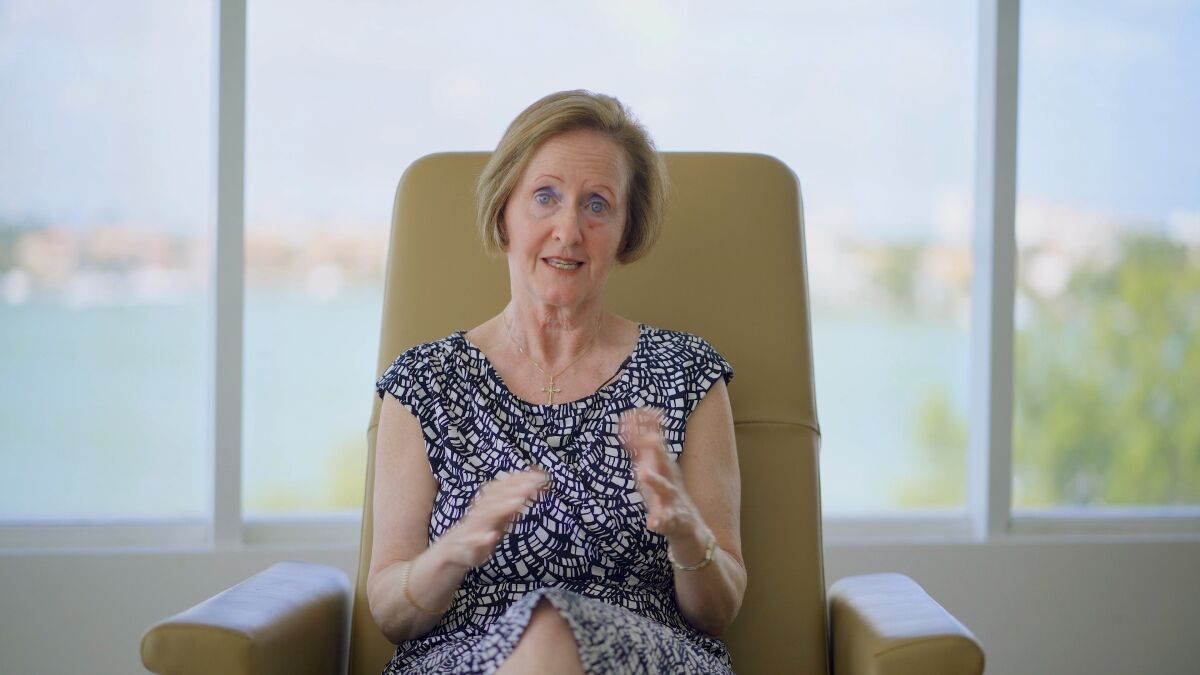
Janine’s Journey As A Hope4cancer Patient

Schedule a Free Breast Cancer Treatment Consultation

Take the first step toward integrative cancer care tailored to you. Contact Hope4Cancer to schedule a free consultation with an admissions counselor and receive a personalized breast cancer treatment plan built around your diagnosis, stage, and health goals and preferences.

Frequently Asked Questions: Breast Cancer Treatment

Integrative breast cancer treatment options include non-toxic breast cancer therapy approaches such as Sono-Photo Dynamic Therapy (SPDT), bio-immunotherapy protocols, hyperthermia, biological IV therapies, full-spectrum nutritional therapy, microbiome restoration, and detoxification support. At Hope4Cancer, these are combined into a personalized program guided by the 7 Key Principles of Cancer Therapy®, designed to address both the tumor and the hormonal, immune, and metabolic environment in which breast cancer develops.
Yes. Hope4Cancer's integrative breast cancer program directly targets the tumor through non-toxic therapies while also addressing hormonal balance, immune restoration, microbiome health, and emotional and spiritual wellbeing — dimensions that surgery, chemotherapy, and hormone therapy leave unaddressed. Many patients pursue Hope4Cancer's holistic and natural breast cancer treatment program alongside conventional treatment; others pursue it exclusively. Where conventional treatment is part of a patient's path, Hope4Cancer's board-certified integrative physicians can advise on how best to sequence integrative and conventional therapies to support the strongest possible outcomes. The decision about conventional treatment always rests with the patient in collaboration with their medical team.
Hope4Cancer treats metastatic breast cancer through a comprehensive integrative program addressing both the tumor and the systemic factors driving disease progression. At stage 4, cancer has often spread to other organ systems — commonly bone, liver, lungs, or brain — producing symptoms and functional consequences that are unique to each patient. Hope4Cancer's clinical evaluation identifies the specific systems involved and tailors the program to address those manifestations directly. Personalized targeted therapies are selected based on each patient's receptor status, disease profile, and treatment history, with every component adjusted through ongoing clinical assessment.
At Hope4Cancer, nutrition is not an adjunct to cancer treatment — it is an active therapeutic tool in its own right. Full-spectrum nutritional therapy supports cellular energy, preserves muscle mass and physical function, reduces inflammatory burden, and restores microbiome health. Because the gut microbiome directly influences estrogen metabolism and recirculation, nutritional and microbiome protocols carry particular clinical weight for hormone receptor-positive breast cancer. Dietary guidance is personalized to each patient's metabolic and hormonal status and integrated into the clinical program from the first day of treatment.
Conventional breast cancer therapies can produce significant side effects: chemotherapy causes immune suppression, nausea, fatigue, and hair loss; hormone therapy commonly produces menopausal symptoms, bone density loss, and persistent fatigue; radiation affects surrounding tissue and immune function. The cumulative impact on quality of life can persist long after treatment ends and is often underaddressed in conventional follow-up care. Hope4Cancer's integrative program treats quality of life as a primary clinical measure, tracking patient-reported outcomes throughout and addressing immune function, hormonal balance, detoxification, and the cellular energy that sustained recovery requires.
No. A tissue analysis is not a prerequisite for beginning treatment at Hope4Cancer. Many patients arrive with imaging results, including mammography, ultrasound, or MRI, along with relevant blood markers and a clinical picture that is sufficient for the medical team to design a personalized integrative program. Hope4Cancer understands that some patients have concerns about tissue biopsy, including the possibility that needle procedures may risk disturbing the tumor. These concerns are taken seriously and respected. In certain cases, the medical team may identify a clinical benefit to tissue analysis and will share that reasoning openly with the patient. However, no procedure will ever be performed against a patient's wishes. The goal is to work with the information available and to begin supporting the body's capacity to heal as soon as possible.
Breast cancer carries dimensions that extend well beyond the physical, including concerns about body image, identity, and what lies ahead that conventional oncology rarely addresses directly. Unresolved emotional trauma and ongoing life stressors can affect immune function and the body's capacity for recovery. The BEST™ (Behavioral, Emotional, and Spiritual Transformation™) program provides a structured space to explore emotional experiences relevant to healing and to address ongoing stressors that could interfere with recovery. Many patients find, through this work, their hope restored and their energy for healing renewed.
For many breast cancer patients, the most valuable second opinion is not a reconfirmation of the diagnosis. It is an evaluation of the full range of treatment options, including integrative approaches that address the hormonal, immune, and metabolic dimensions of the disease. Hope4Cancer offers free consultations with board-certified integrative physicians who review each patient's specific diagnosis, subtype, receptor status, and treatment history to assess whether an integrative program is appropriate for their situation.
When evaluating breast cancer treatment centers, key questions to ask include: How is treatment personalized to my specific subtype, receptor status, and stage? Does the program address hormonal balance, microbiome health, and the immune environment, or only the tumor? Does the program include structured support for emotional and spiritual health, or is that considered outside the scope of treatment? What does the full treatment program include, and what support continues after I return home? These questions help distinguish centers that treat the cancer from those that address the whole person.