Integrative Thyroid Cancer Treatment at Hope4Cancer

View Patient Testimonials

View
Patient
Testimonials

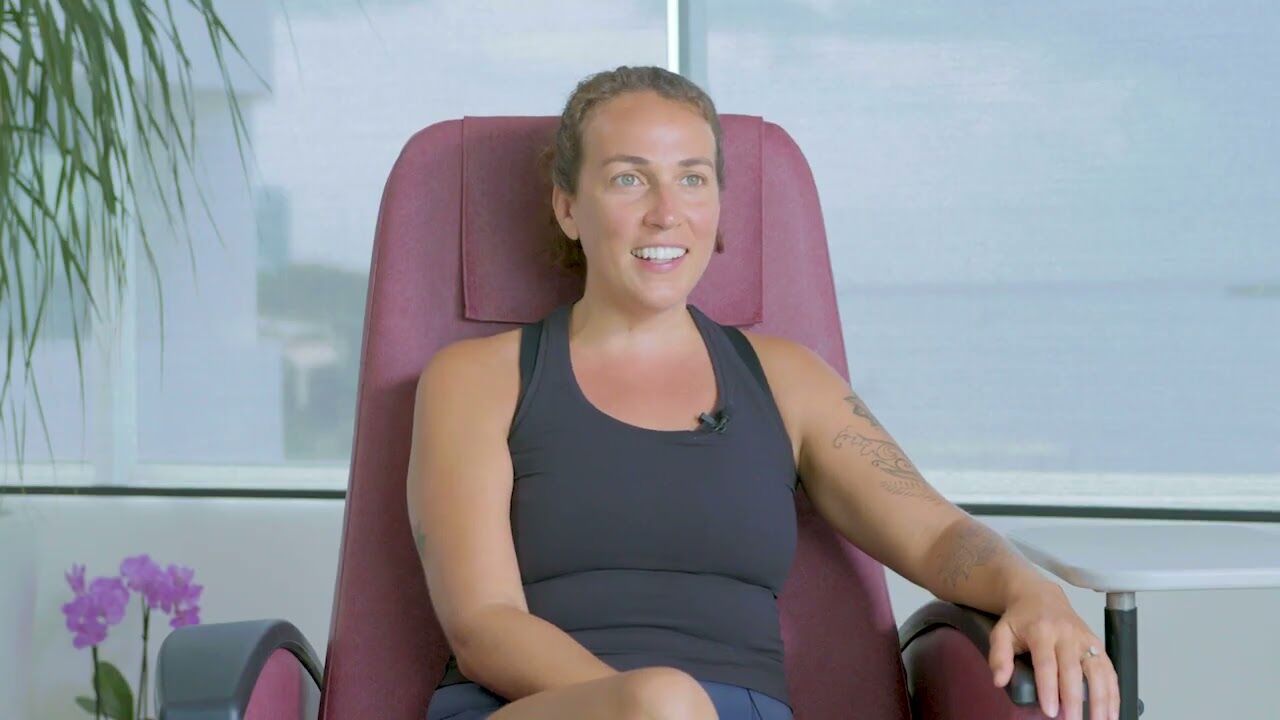
Dr. Tony Jimenez speaking with a smiling patient at Hope4Cancer
An aerial view of ocean waves on the beach

The thyroid is a butterfly-shaped gland at the base of the neck that produces hormones regulating metabolism, energy, heart rate, and body temperature. When cancer develops in this gland, it does not follow a single pattern. The most common forms, papillary and follicular thyroid cancer, are well-differentiated tumors that tend to grow slowly and carry a generally favorable prognosis with early detection. Medullary thyroid cancer arises from a different cell type entirely — the calcitonin-producing C cells — and follows a distinct biological course that does not respond to the treatments used for papillary and follicular disease. Anaplastic thyroid cancer is rare but among the most aggressive cancers in oncology, with rapid growth and resistance to most conventional approaches. Understanding which type a patient has is the essential first step in designing any thyroid cancer treatment program.

Conventional thyroid cancer treatment typically begins with surgery, most commonly total thyroidectomy, followed by radioactive iodine (RAI) therapy for papillary and follicular types to eliminate remaining thyroid tissue or cancer cells. For patients seeking a radioactive iodine alternative, or those pursuing thyroid cancer treatment without surgery as a primary path, Hope4Cancer offers an integrative program built on non-toxic therapies that work with the body's own systems. Beyond surgery and RAI, conventional treatment requires lifelong thyroid hormone replacement — a process that affects metabolism, energy, immune function, and quality of life in ways that standard follow-up care does not always fully address. For medullary and anaplastic thyroid cancer, where RAI is not effective, the need for a broader, multi-targeted approach is even more apparent. Hope4Cancer's integrative approach is designed to address the disease holistically, taking into account the immune environment, hormonal balance, and metabolic health that influence both cancer progression and recurrence — a framework that can be implemented independently or alongside conventional treatment, depending on each patient's situation and preferences.

Hope4Cancer works with thyroid cancer patients across all subtypes and stages, from early papillary and follicular thyroid cancer treatment to locally advanced and metastatic disease, as well as those seeking support after surgery or prior conventional treatment. The integrative thyroid cancer treatment program is available to patients pursuing complementary care alongside conventional treatment or exclusively on its own. For those exploring their thyroid cancer treatment options, the sections below describe the full program, the therapies involved, and what patients at every stage can expect.

Thyroid cancer is frequently discovered before any symptoms develop. Many diagnoses are made incidentally when imaging performed for an unrelated reason reveals a nodule on the thyroid gland. When symptoms do appear, the most common is a painless lump or swelling at the base of the neck. As the disease progresses or involves surrounding structures, patients may experience hoarseness or voice changes, difficulty swallowing, persistent neck discomfort, or swollen lymph nodes in the neck. In medullary thyroid cancer, elevated calcitonin produced by the tumor can cause diarrhea and flushing — symptoms that may appear before the tumor itself is identified. Anaplastic thyroid cancer typically presents as a rapidly growing neck mass that can compress the airway and surrounding structures quickly, often within weeks.

Thyroid Cancer

Diagnosis begins with a thyroid ultrasound, which evaluates the size, location, and characteristics of any nodule identified. Nodules with suspicious features are then assessed through tissue analysis using fine needle aspiration (FNA), a minimally invasive procedure that extracts a small sample of thyroid cells for examination. Blood tests including TSH, thyroglobulin, calcitonin, and CEA are part of the standard workup, with calcitonin and CEA particularly relevant when medullary thyroid cancer is suspected. Molecular analysis of the tissue sample, evaluating markers such as BRAF, RAS, and RET mutations, provides additional information about tumor biology and helps guide thyroid cancer treatment planning. Where spread is suspected, CT, MRI, or PET imaging is used to assess lymph node involvement and distant metastases.

Thyroid Cancer Treatment Program at Hope4Cancer

Hope4Cancer's integrative thyroid cancer treatment program is organized around three clinical pillars: targeted therapies, core therapies, and diagnostics and ongoing assessment. Every program is individually designed based on each patient's thyroid cancer subtype, stage, treatment history, hormonal status, and overall health. The goal is not to replace the body's own capacity to heal but to activate and support it, using non-toxic approaches that address the tumor directly while restoring the systemic conditions that cancer exploits to grow and spread.

01

Targeted Therapies for Thyroid Cancer

The targeted therapies at Hope4Cancer are selected for their ability to act on cancer cells and the tumor microenvironment with precision, minimizing harm to healthy tissue. Each therapy works through a distinct mechanism, and the care team combines them into a protocol tailored to each patient's specific tumor biology and clinical situation. Sono-Photo Dynamic Therapy (SPDT) uses a sensitizing agent that accumulates preferentially in cancer cells, which is then activated by sound and light energy to produce a localized toxic effect within the tumor. PDT Plus extends this approach, delivering the photosensitizing agent intravenously for systemic reach, including circulating tumor cells and any disease that has spread to cervical lymph nodes. The Sunivera™ Bio-Immunotherapy Protocol and DaVida™ Bio-Immunotherapy Protocol work through distinct immune-activating mechanisms, each designed to help the body identify and respond to cancer cells more effectively — with particular relevance for thyroid cancer patients whose immune function has been affected by prior radioactive iodine therapy, surgery, or the hormonal disruption associated with the disease. The following therapies represent a selection of the targeted approaches available at Hope4Cancer. Working collaboratively with each patient, the care team selects and refines a personalized thyroid cancer treatment plan that best fits their individual condition and goals.

Learn more about Hope4Cancer's full range of targeted therapies →
02

Core Therapies

Core therapies address the full scope of the 7 Key Principles of Cancer Therapy®, with clinical emphasis adapted to the specific demands of thyroid cancer. Hormonal and metabolic support is a central priority, as thyroid cancer and its treatment — particularly total thyroidectomy and radioactive iodine therapy — can significantly disrupt thyroid hormone balance, energy regulation, and metabolic function. Immune restoration, detoxification, oxygenation, microbiome restoration, and full-spectrum nutritional support work in parallel to address the systemic environment, while the BEST™ (Behavioral, Emotional, and Spiritual TransformationTM) program supports the emotional and spiritual dimensions of care, including the resolution of stress patterns and prior emotional traumas that research increasingly links to immune function and cancer biology.

Learn more about Core Therapies →
03

Diagnostics and Ongoing Assessment

Ongoing assessment is built into the program from day one. Baseline diagnostics establish a complete picture of the patient's tumor biology, hormonal status, immune function, and organ health before treatment begins. As the program progresses, monitoring continues through repeat imaging, thyroid-specific blood markers including thyroglobulin and calcitonin, and functional assessments that allow the care team to evaluate treatment response and make real-time adjustments. For thyroid cancer patients, hormonal balance and immune status are tracked with particular care throughout the program.

Learn more about Diagnostics and Ongoing Assessment →

Thyroid Cancer Treatment by Stage

Hope4Cancer works with thyroid cancer patients across all stages of disease. While the integrative framework remains consistent, the clinical emphasis and therapy selection are adjusted to reflect each patient's current condition, disease burden, and treatment history.

Stages 1 - 2

Early-Stage Thyroid Cancer

Early-stage thyroid cancer, where the tumor is localized within or immediately adjacent to the thyroid gland, represents the setting where conventional surgery and radioactive iodine therapy are most often pursued. For patients who have already undergone thyroidectomy, Hope4Cancer's integrative program supports post-surgical recovery by addressing immune function, hormonal rebalancing, nutritional rehabilitation, and the systemic conditions that contribute to thyroid cancer recurrence. For patients exploring thyroid cancer treatment without surgery or a radioactive iodine alternative as their primary path, the integrative program offers a structured, non-toxic approach. The care team designs every protocol around the patient's actual diagnosis, surgical history, and treatment goals and preferences.

Stages 3

Locally Advanced Thyroid Cancer

Locally advanced thyroid cancer treatment addresses disease that has spread beyond the thyroid capsule into surrounding neck structures or regional lymph nodes. At this stage, surgical resection becomes more complex, and the risk of involvement with critical structures including the recurrent laryngeal nerve, trachea, and carotid vessels increases. Hope4Cancer's integrative program at this stage focuses on addressing local disease progression through the full complement of non-toxic targeted and core therapies, supporting lymphatic and immune function, and maintaining the patient's strength and quality of life. Because these therapies work with the body rather than against it, the program can be maintained consistently regardless of a patient's prior treatment history or functional status.

Stages 4

Metastatic Thyroid Cancer

Stage 4 thyroid cancer treatment addresses disease that has spread to distant organs, most commonly the lungs and bones, and in some cases the brain or liver. Metastatic well-differentiated thyroid cancers may remain slow-growing for extended periods, while medullary and anaplastic presentations at this stage carry a more urgent clinical picture. Hope4Cancer's integrative program addresses both the primary disease and its systemic manifestations, with emphasis on immune restoration, reducing systemic inflammatory burden, supporting bone and pulmonary health where relevant, and preserving quality of life. While stage 4 thyroid cancer is a serious diagnosis, many patients find that a whole-person integrative approach opens possibilities that a conventional prognosis alone may not reflect.

About Thyroid Cancer

Thyroid cancer is not one disease. Its subtype, receptor status, and growth pattern shape both the biology of the disease and the most relevant integrative approaches to treatment.

Papillary thyroid cancer is the most common form of the disease, accounting for roughly 80 percent of all thyroid cancer diagnoses. It arises from the follicular cells of the thyroid and typically grows slowly, spreads first to cervical lymph nodes, and carries a favorable long-term prognosis in most patients. Follicular thyroid cancer, the second most common well-differentiated type, also originates in follicular cells but tends to spread via the bloodstream to distant sites such as the lungs and bones rather than through the lymph nodes. Both papillary and follicular thyroid cancers are responsive to radioactive iodine therapy in their standard presentations, though RAI-resistant variants exist and carry a more complex clinical picture. Papillary and follicular thyroid cancer treatment at Hope4Cancer addresses both active disease and the long-term biological terrain that influences recurrence risk. For patients who have completed conventional treatment, the integrative program focuses on immune restoration, hormonal rebalancing, detoxification of radioactive iodine residuals, and the systemic conditions associated with thyroid cancer recurrence treatment. For those pursuing an integrative path as their primary approach, the full program is structured around their specific subtype, stage, and health status.

Medullary thyroid cancer (MTC) arises from the parafollicular C cells of the thyroid, which produce calcitonin rather than thyroid hormone. This distinct cellular origin means that MTC does not respond to radioactive iodine therapy, which is effective only against follicular cell-derived tumors. Medullary thyroid cancer treatment therefore requires a different approach from the outset. MTC can occur sporadically or may be connected to hereditary syndromes, most notably Multiple Endocrine Neoplasia type 2 (MEN2), caused by mutations in the RET gene. Hereditary forms tend to present earlier and may involve other endocrine tumors including pheochromocytoma and parathyroid adenoma. At Hope4Cancer, medullary thyroid cancer treatment is designed around the biology of C cell-derived disease, with targeted immune activation, calcitonin and CEA monitoring during the program, and systemic support adapted to each patient's hormonal and metabolic profile. Because MTC is not amenable to RAI, the integrative program represents a meaningful primary option for patients seeking a non-toxic treatment path.

Anaplastic thyroid cancer is a poorly differentiated, rapidly progressive form of the disease that accounts for a small percentage of thyroid cancers but a disproportionate share of thyroid cancer mortality. It typically presents in older adults, often arising from a pre-existing well-differentiated thyroid tumor that has undergone further transformation. Anaplastic thyroid cancer treatment is among the most challenging in oncology — the tumor grows quickly, is largely resistant to radioactive iodine, and responds poorly to most conventional systemic therapies. Hope4Cancer works with anaplastic thyroid cancer patients with the understanding that urgency and treatment intensity must be calibrated to each patient's condition and goals and preferences. The integrative program applies the full complement of non-toxic targeted and core therapies, focusing on slowing disease progression, supporting immune function under the demands of a fast-moving disease, and maintaining quality of life as the central clinical priority. For patients pursuing integrative care alongside conventional treatment, the program is designed to coordinate with and complement whatever conventional approaches are being pursued.

3-Week
Comprehensive clinical program
200+
Therapy sessions included
12-Month
Structured home program with regular check-ins
2
Follow-up visits to treatment center included in program cost

Patient Stories: Thyroid Cancer Journeys

Hope4Cancer is grateful to the patients who have chosen to share their journeys, each arriving with a different diagnosis, each finding a new path forward through integrative thyroid cancer care. For those just beginning, their stories offer something rare: the light of someone who has walked this road before. Their stories are their own, and each is best told in their own words.

Request a Free Thyroid Cancer Treatment Plan

Take the first step toward integrative cancer care tailored to you. Contact Hope4Cancer to schedule a free consultation with an admissions counselor and receive a personalized thyroid cancer treatment plan built around your diagnosis, stage, and health goals and preferences.

Frequently Asked Questions

Hope4Cancer's thyroid cancer treatment options are organized around three clinical pillars: personalized targeted therapies, core therapies, and diagnostics and ongoing assessment. Targeted therapies include Sono-Photo Dynamic Therapy (SPDT), PDT Plus, and the Sunivera™ and DaVida™ Bio-Immunotherapy protocols. Core therapies address the full scope of the 7 Key Principles of Cancer Therapy®, with particular emphasis on hormonal and metabolic support, immune restoration, detoxification, microbiome restoration, oxygenation, full-spectrum nutrition, and emotional healing through the BEST™ program. Every protocol is individually designed based on each patient's thyroid cancer subtype, stage, treatment history, and overall health.
Hope4Cancer's primary approach is built on non-toxic, integrative therapies that do not involve surgical intervention. For patients pursuing thyroid cancer treatment without surgery as a primary path, the integrative program offers a structured, medically supervised approach focused on addressing the tumor, supporting immune function, and maintaining hormonal and metabolic balance. Surgery is not performed at Hope4Cancer's facilities, but in situations where surgery may be worth considering, patients who choose to pursue it can be connected with partner hospitals, ensuring access to appropriate surgical care within a broader integrative framework.
Hope4Cancer works with stage 4 thyroid cancer patients whose disease has spread to distant organs, most commonly the lungs and bones. Stage 4 thyroid cancer treatment at Hope4Cancer addresses both the primary disease and its systemic manifestations, with emphasis on immune restoration, reducing systemic inflammatory burden, supporting bone and pulmonary health where relevant, and preserving quality of life. The clinical approach is adapted to the patient’s specific cancer subtype — well-differentiated, medullary, or anaplastic — since each carries a distinct biological picture and responds differently to integrative therapies.
The integrative program is designed to reflect the biological differences between thyroid cancer subtypes. Papillary and follicular thyroid cancer treatment focuses on immune restoration, hormonal rebalancing, and reducing the systemic conditions associated with recurrence, particularly for patients who have completed RAI therapy or surgery. Medullary thyroid cancer treatment is designed around C cell biology, with calcitonin and CEA monitoring integrated during the program. Anaplastic thyroid cancer treatment requires the most urgent and intensive approach, with therapy selection calibrated to disease progression and the patient's overall condition. In all cases, the program is individually designed around each patient's specific cancer subtype, stage, and health status.
No. Tissue analysis is not a prerequisite for beginning treatment at Hope4Cancer. Many patients arrive with thyroid ultrasound findings, blood marker data including TSH, thyroglobulin, calcitonin, and CEA levels, and a clinical picture that is sufficient for the medical team to design a personalized integrative program. Hope4Cancer understands that some patients have concerns about tissue biopsy procedures, including the possibility that needle procedures may risk disturbing the tumor. These concerns are taken seriously and respected. In certain cases, the medical team may identify a clinical benefit to tissue analysis and will share that reasoning openly with the patient. However, no procedure will ever be performed against a patient's wishes. The goal is to work with the information available and to begin supporting the body's capacity to heal as soon as possible.
Thyroid cancer treatment after surgery is one of the most common situations in which patients seek integrative care at Hope4Cancer. Following thyroidectomy, patients face a range of systemic consequences including hypothyroidism requiring lifelong hormone replacement, potential hypoparathyroidism affecting calcium regulation, immune disruption, and in many cases the residual effects of radioactive iodine therapy. Hope4Cancer's post-surgical integrative program addresses all of these dimensions by supporting hormonal rebalancing, restoring immune function, rebuilding digestive and metabolic health, and addressing the conditions associated with thyroid cancer recurrence. The program also attends to the emotional and psychological impact of surgery and the life changes it brings.
Thyroid hormone management is a central component of the integrative program for thyroid cancer patients, particularly those who have undergone total thyroidectomy and require lifelong hormone replacement. Achieving and maintaining the right hormonal balance affects energy, metabolism, immune function, cardiovascular health, and overall quality of life — and getting it right is often more nuanced than standard follow-up care allows for. Hope4Cancer's integrative approach addresses hormonal health as part of the broader metabolic and systemic picture, working alongside each patient's existing hormone replacement protocol to support optimal balance and minimize the functional consequences of thyroid hormone disruption.
A thyroid cancer diagnosis carries an emotional weight that extends well beyond the clinical facts of the disease, particularly for patients facing lifelong hormonal changes, visible surgical scars, or an uncertain recurrence picture. Hope4Cancer's BEST™ (Behavioral, Emotional, and Spiritual TransformationTM) program addresses emotional health as a central component of the integrative approach rather than a peripheral one. Research increasingly supports the connection between unresolved emotional trauma, chronic stress, and the biological conditions that allow cancer to develop and persist. The BEST™ program works with patients on both the emotional impact of their current diagnosis and the deeper stress patterns and prior traumas accumulated over a lifetime, recognizing that emotional resilience is integral to healing.
Treatment takes place at Hope4Cancer's facilities in Tijuana and Cancun, Mexico. The Tijuana facility operates as a full residential treatment center, providing around-the-clock care for patients staying on-site throughout their program. The Cancun facility operates on an outpatient basis. Both are experienced integrative thyroid cancer treatment centers serving patients from across North America and internationally. New patients begin with a free consultation with an admissions counselor, during which their diagnosis, treatment history, and health goals are reviewed and a personalized treatment plan is outlined.